How to improve your squat: complete technique guide
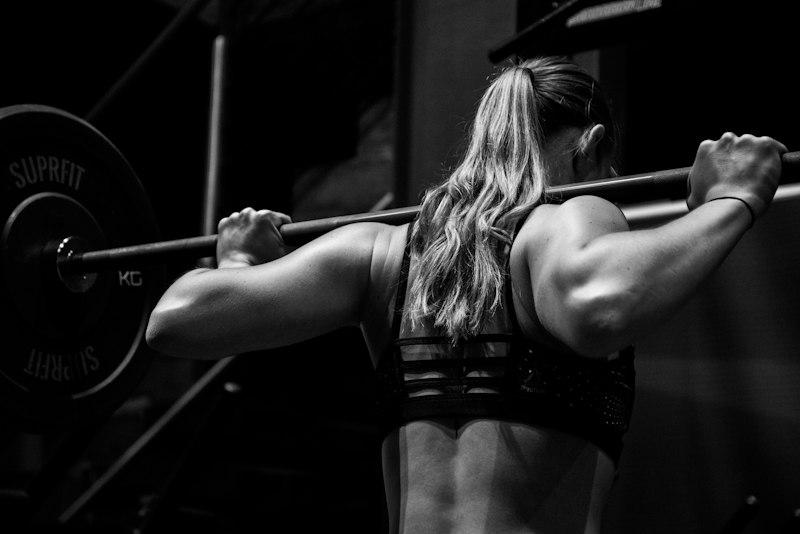
The technical fundamentals of the squat
The squat is widely regarded as the king of strength training exercises. It engages the quadriceps, glutes, hamstrings, core, and even the upper back. Yet many lifters plateau because they overlook the technical details that make the difference between an average squat and an effective one.
Foot position is the first element to check. Place your feet shoulder-width apart or slightly wider, with a natural toe-out angle between 15 and 30 degrees. During the descent, your knees should track in the direction of your toes without caving inward. This knee valgus is a common mistake that limits strength and increases injury risk.
Fixing the most common mistakes
The butt wink (posterior pelvic tilt at the bottom of the movement) is often caused by limited hip or ankle mobility. Work on specific stretches: the pigeon stretch for hips and dorsiflexion drills with your knee against the wall for ankles. A few weeks of consistent work can transform your squat depth.
The good morning squat (excessive forward lean of the torso) generally indicates weak quadriceps relative to the posterior chain. Add targeted quad work with front squats, sissy squats, or leg press with a low foot placement on the platform.
- Keep your chest up and eyes looking straight ahead
- Take a deep breath before each rep and brace your core during the descent
- Push the floor with your heels and mid-foot, not your toes
- Squeeze your glutes at the top for full extension
Progression strategies to break through plateaus
If your squat has stalled, vary your loading schemes. The 5x5 method remains one of the most effective for pure strength: five sets of five reps with a load you increase by 2.5 kg every week. When linear progression stops, switch to undulating periodization: alternate between heavy sessions (3x3 at 85-90%), moderate sessions (4x6 at 75%), and light sessions (3x10 at 65%).
Accessory exercises are also essential. Pause squats (with a 2-second hold at the bottom) improve strength in the weakest position. Squats with resistance bands or chains develop lockout strength. The Bulgarian split squat corrects imbalances between legs.
The importance of your training environment
To progress in the squat, you need a solid rack, a quality Olympic barbell, and a stable floor. You also need focus: heavy squats demand total attention. In a crowded gym, distractions and waiting for the rack break your rhythm and concentration.
At Ma Salle, your private gym in Paris, you have access to a professional squat rack and all the equipment needed to train with confidence. No queues, no background noise, just you and your workout. It is the ideal environment to push your squat limits and hit new personal records.